Introduction
A spare room rarely has the luxury of serving just one purpose. In many UK homes, it needs to function as a productive office during the week, a quiet reading space in the evening and a comfortable bedroom whenever friends or family stay overnight.
Trying to fit a desk, office chair, storage and permanent bed into one compact room can quickly make the space feel crowded. It may also leave you with an uncomfortable workspace for most of the year simply to accommodate guests for a few nights.
The solution is not necessarily a larger room. It is choosing furniture and a layout that can adapt.
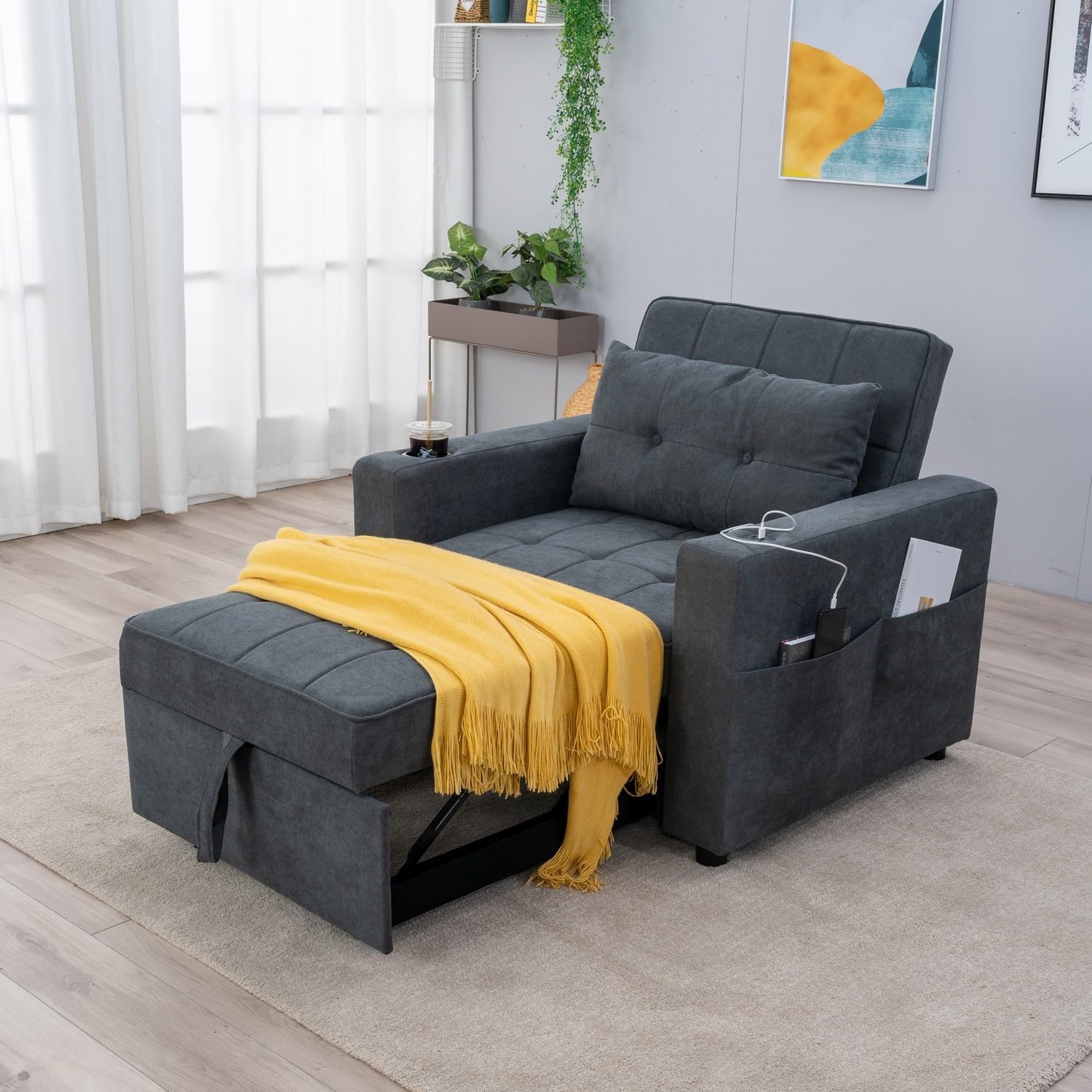
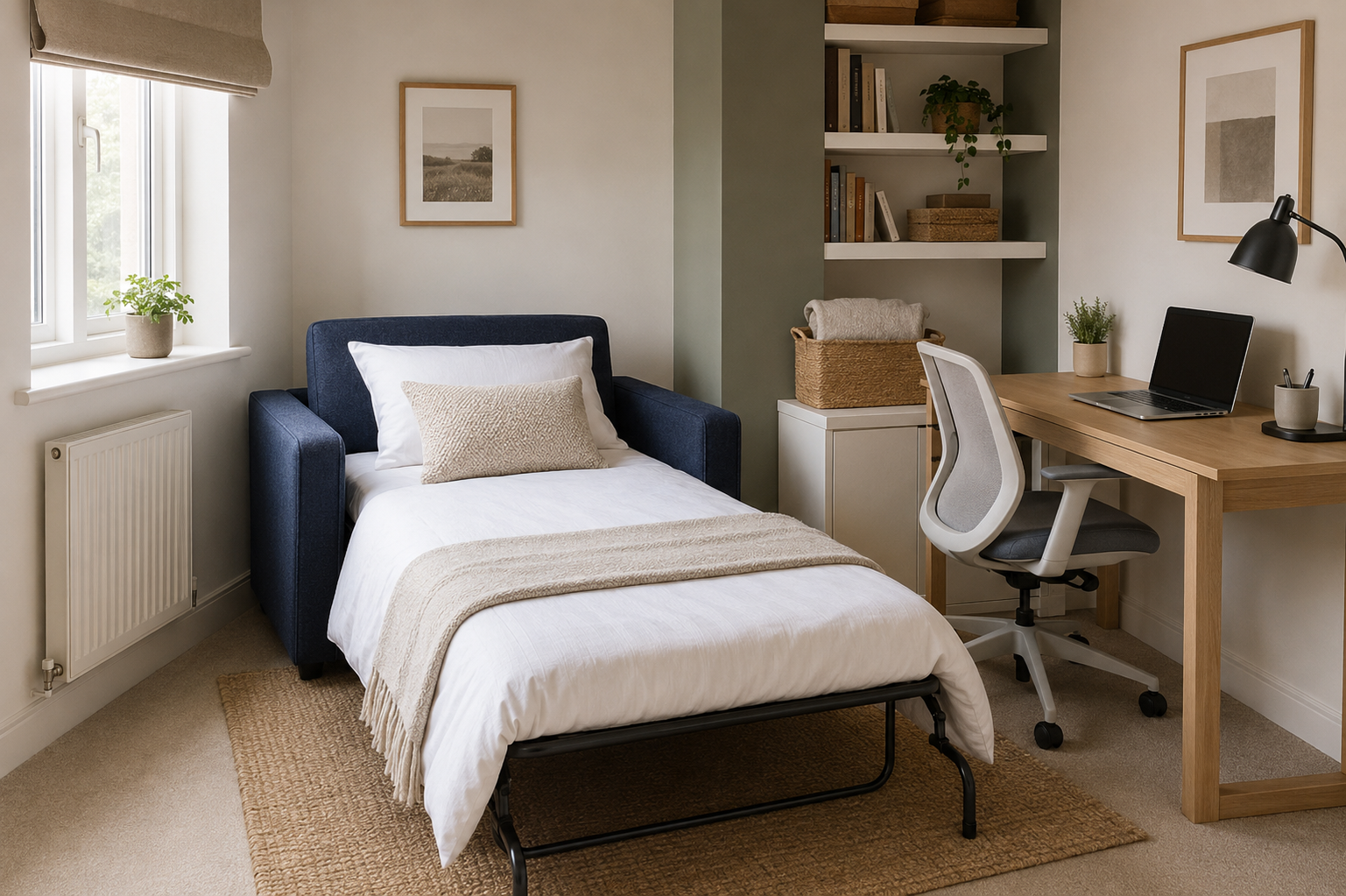
One of the most effective small home office guest room ideas is to replace a permanent bed with a compact chair bed. During working hours, it provides useful seating without making the room look like a bedroom. When a guest arrives, it unfolds into a single sleeping space without requiring a major furniture reshuffle.
In this guide, we will explore how to plan a multifunctional office guest room, choose the right chair bed and create a space that feels equally comfortable for working and sleeping.
Why Combine a Home Office and Guest Room?
A dedicated guest bedroom may remain unused for much of the year, while a home office is needed several days a week. Combining the two allows you to make better use of the same floor space.
A well-planned office guest room can provide:
-
A focused everyday workspace
-
Comfortable seating for reading or taking breaks
-
A convenient single bed for overnight visitors
-
Useful storage for office supplies and guest bedding
-
Greater flexibility without extending or moving home
The key is to decide which function the room performs most often. If it is primarily an office, the desk and work area should guide the layout. Guest accommodation can then be introduced through furniture that remains compact when it is not being used for sleeping.
Why a Chair Bed Works Well in a Home Office
A conventional bed occupies the same amount of floor space whether someone is using it or not. A double sofa bed offers flexibility, but it may still be too wide for a box room or narrow home office.
A chair bed is designed for one person and usually has a much smaller daytime footprint. This makes it easier to position beside a desk, beneath shelving or in a quiet corner.
It can serve as:
-
An armchair during video calls or informal meetings
-
A comfortable place to read away from the desk
-
A place to relax during work breaks
-
A single guest bed when required
Modern chair beds are available in different mechanisms, upholstery styles and dimensions, so you can choose a model that complements your office rather than making it look temporary.
10 Small Home Office Guest Room Ideas
1. Replace a Permanent Bed with a Chair Bed
The largest item in most guest rooms is the bed. Replacing it with a chair bed immediately releases more floor space for a proper desk, an ergonomic office chair and storage.
Unlike an inflatable mattress or folding camp bed, a chair bed remains useful every day. It adds comfortable seating and can make the office feel more relaxed without sacrificing the ability to host a guest.
If you occasionally accommodate two visitors, assess whether the room can hold two compact chair beds or whether a double sofa bed would be more suitable. For one guest and a very small room, a single chair bed will normally preserve more usable space.
2. Plan the Room in Both Modes
Do not design only for the room's everyday office arrangement. Sketch how it will work after the chair bed is unfolded.
Check that the extended bed will not:
-
Block the room door
-
Cover a floor vent
-
Press against the desk chair
-
Prevent access to cupboards
-
Obstruct a radiator
-
Leave the sleeper without a clear route through the room
Marking the open-bed dimensions on the floor with masking tape is a simple way to test the layout before ordering.
3. Create Separate Work and Sleep Zones
Even in a small room, visual zoning can make each function feel more intentional.
Keep the desk and office equipment together on one side, then place the chair bed with a lamp and small table on the other. A rug can define the guest area without taking up additional room.
If space allows, an open bookcase can act as a light divider while still allowing daylight to pass through. Avoid a heavy screen in a very small office because it may make the room feel narrower.
4. Put the Desk Where Natural Light Is Strongest
Position the desk near a window where possible. Natural light can make the workspace feel more pleasant and leaves darker corners available for the chair bed.
Avoid placing the desk directly in the chair bed's extension path. A layout that requires moving the desk whenever a guest arrives will become frustrating over time.
If the window wall is narrow, consider a slim desk or a wall-mounted design with enough depth for your laptop and essential equipment.
5. Use the Walls for Storage
Floor space is limited in a small guest room office, so storage should extend upwards.
Useful options include:
-
Floating shelves above the desk
-
Wall-mounted document holders
-
Tall, narrow bookcases
-
Pegboards for small office items
-
Hooks behind the door
-
Overhead cupboards for occasional-use bedding
Keep frequently used work items within easy reach and store guest linens higher up or inside labelled boxes. This prevents spare bedding from taking over the everyday workspace.
6. Choose Furniture That Performs More Than One Job
Multifunctional furniture is particularly valuable when every centimetre matters.
Consider:
-
A desk that doubles as a dressing table
-
A small filing cabinet used as a bedside table
-
An ottoman that provides seating and bedding storage
-
Nesting tables that can be separated for guests
-
A desk with drawers instead of an additional cabinet
The chair bed follows the same principle by combining seating and sleeping within one footprint.
7. Hide Work Clutter Before Guests Arrive
A guest should not feel as though they are sleeping in the middle of an unfinished working day.
Use closed storage for cables, documents and stationery. A lidded box or empty drawer can provide a quick place to store work items before someone arrives.
If you use a desktop monitor, position it so it does not dominate the sleeping area. A simple fabric screen or cabinet with doors can help the room transition from businesslike to welcoming.
Never leave confidential papers visible when a guest is staying in the room.
8. Layer the Lighting
An office requires clear task lighting, while a guest room benefits from softer illumination. One ceiling light is unlikely to perform both roles well.
Combine:
-
A focused desk lamp for working
-
An ambient ceiling or wall light
-
A small reading lamp beside the chair bed
-
A night light or low-level lamp for guests
A plug-in wall light can be useful when there is not enough floor space for a bedside table and lamp.
9. Use a Calm, Cohesive Colour Scheme
Neutral and muted colours can help a small office guest room feel open and organised.
Suitable combinations include:
-
Warm white with light grey
-
Soft beige with pale oak
-
Cream with muted green
-
Light grey with navy accents
-
Off-white with natural wood
The room does not need to be colourless. Cushions, artwork and a throw can add personality while remaining easy to change.
Choose a chair bed colour that works with both your office furniture and guest bedding. Grey, beige and navy are versatile options, while green or blue can create a stronger focal point.
10. Keep a Guest-Ready Kit
Store everything needed for an overnight stay together so the office can be converted quickly.
A useful guest kit may include:
-
A fitted or flat sheet suitable for the chair bed
-
A duvet and clean cover
-
One or two pillows
-
A mattress protector
-
A bath towel
-
A phone charger
-
A small bottle of water
-
Basic Wi-Fi instructions
Use a breathable storage bag and ensure all bedding is fully dry before packing it away.
Chair Bed vs Other Guest-Sleeping Options
The right option depends on the room size, the number of guests and how frequently the sleeping space will be used.
| Guest-bed option | Daytime space | Everyday usefulness | Sleeping capacity | Best suited to |
|---|---|---|---|---|
| Chair bed | Low | Excellent | One person | Small offices and box rooms |
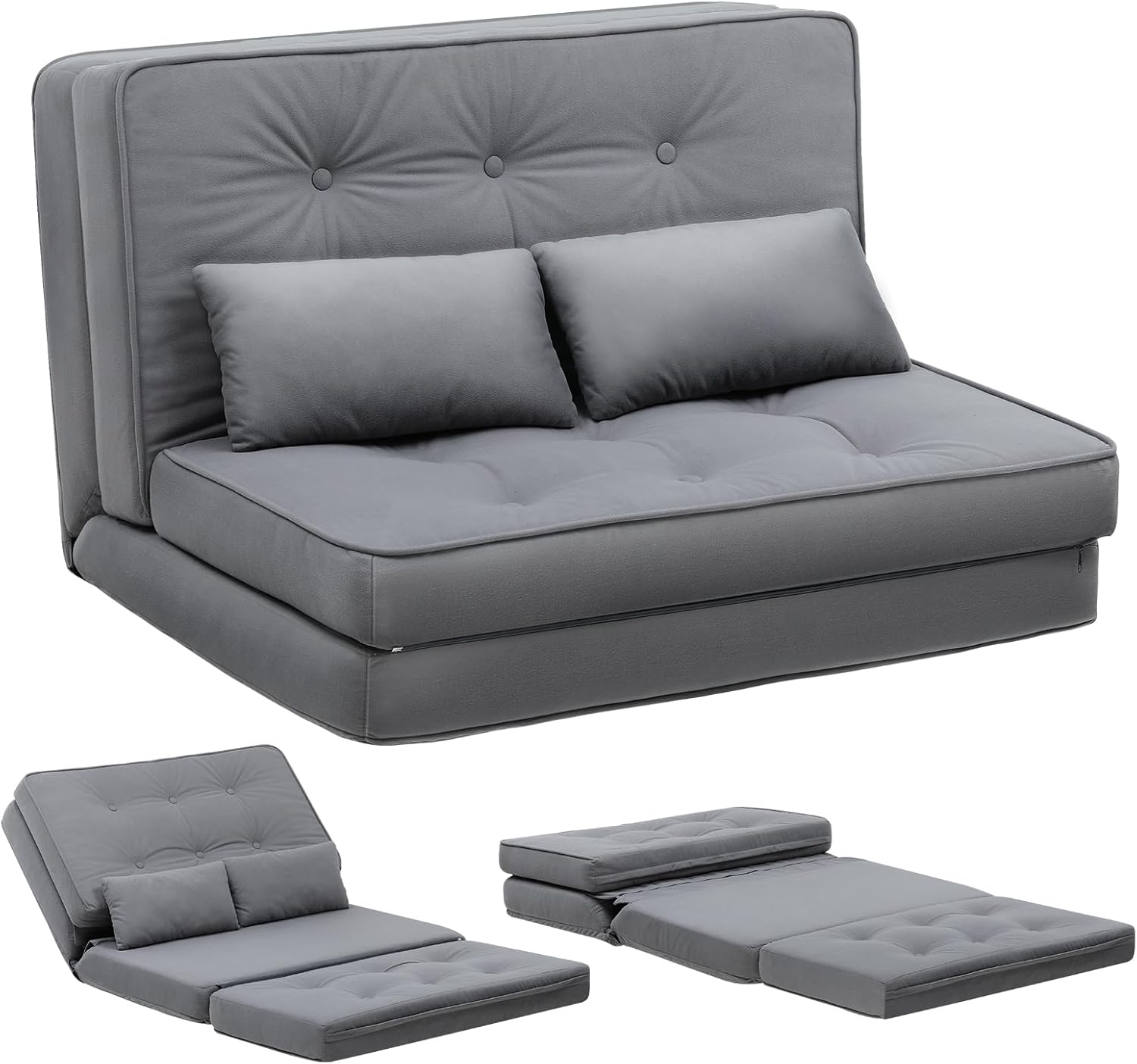
| Single futon | Low to moderate | Good | One person | Informal offices and student rooms |
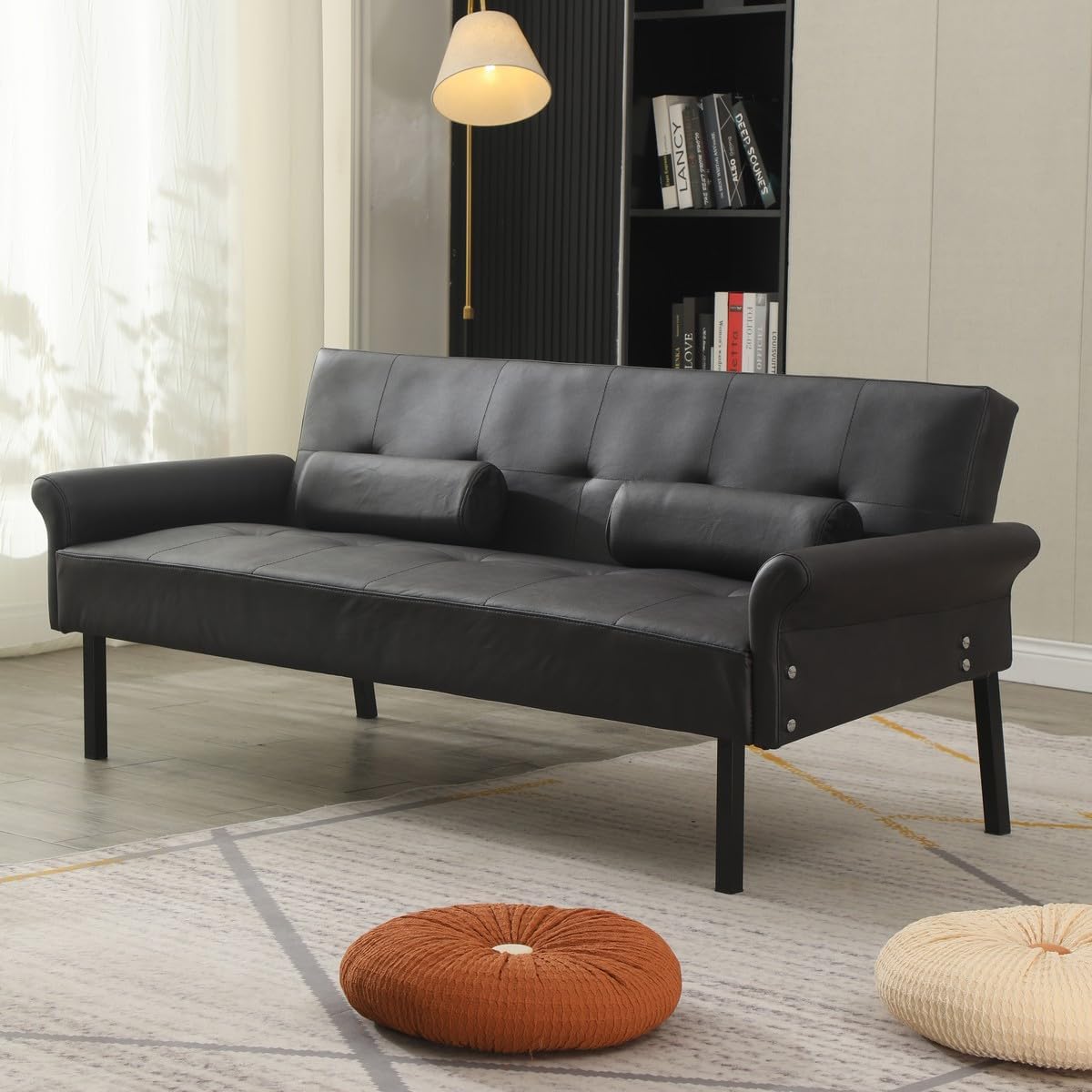
| Double sofa bed | Moderate to high | Excellent | One or two people | Larger offices and spare rooms |
| Inflatable mattress | None when stored | Low | One or two people | Very occasional guests |
| Permanent single bed | High | Limited | One person | Rooms used mainly as bedrooms |
| Wall bed | Very low when closed | Good | One or two people | Planned renovations with a higher budget |
A compact single futon may suit a casual room, while a chair bed often looks more like conventional upholstered seating during the working day.
How to Choose a Chair Bed for a Home Office
Not every chair bed will suit every room. Compare the following features before making a decision.
Closed and Extended Dimensions
Check the width, depth and height in chair mode, followed by the complete length and width in bed mode.
Allow enough space to unfold the mechanism and move safely around the bed. Product photographs can make rooms appear larger, so always use the listed measurements.
Sleeping Length and Width
Consider who is most likely to use the bed. A taller adult will need more sleeping length than a child.
Chair beds do not all open to identical dimensions. Check the actual sleeping surface rather than assuming it matches a standard UK single mattress.
Mattress and Cushion Support
For regular overnight guests, look for supportive foam, even cushioning and a stable sleeping surface.
A very soft seat is not automatically a comfortable bed. Good sleeping support should distribute weight evenly and minimise noticeable gaps between sections.
Conversion Mechanism
The bed should open smoothly without needing to lift or drag heavy sections across the floor.
If it will be used frequently, choose a mechanism that one person can operate easily. Check whether the product needs clearance behind the backrest or only in front of the chair.
Frame and Weight Capacity
Review the manufacturer's stated weight limit and construction details. A strong frame and stable legs are essential for safe, reliable use.
Never assume that two people can share a chair bed designed for one sleeper.
Upholstery
Home-office furniture may be used every day, so choose a fabric suited to regular sitting.
Durable woven fabrics, polyester upholstery and easy-clean finishes are practical choices. Always follow the specific care label supplied with the product.
Delivery Access
Measure more than the room itself. Check:
-
The front door
-
Hallways
-
Internal door frames
-
Staircases and landings
-
Lift dimensions
-
Tight corners
Compare these measurements with the packaged dimensions, not only the assembled chair size.
Layout Ideas for Different Room Shapes
Small Box Room
Place a narrow desk under or beside the window and position the chair bed against the opposite wall. Use floating shelves above the desk and a wall-mounted reading light beside the chair.
Keep the middle of the room clear so the bed can unfold without moving the desk.
Long, Narrow Room
Arrange the desk and chair bed along opposite long walls if the width allows. Alternatively, place the desk at the far end and the chair bed close to the entrance, creating two clear zones.
Choose shallow storage so the walkway remains open.
Square Spare Room
Use one corner for an L-shaped workspace and the opposite corner for the chair bed. A small rug can define the guest zone.
A compact filing cabinet between them can serve as both office storage and a bedside surface.
Loft or Sloped-Ceiling Room
Position low furniture, including the chair bed, beneath the sloped section and reserve the full-height area for the desk and office chair.
Check head clearance in both chair and bed modes before finalising the layout.
How to Convert the Office for a Guest
A good multifunctional room should not require hours of preparation.
Follow this simple order:
-
Save your work and put confidential documents away.
-
Clear personal items from the desk.
-
Move the office chair into its planned overnight position.
-
Unfold the chair bed according to the manufacturer's instructions.
-
Add a protector, sheet, pillow and duvet.
-
Place a lamp, water and charging point within easy reach.
-
Clear a space for luggage and hanging clothes.
-
Check that the guest can reach the door without stepping around obstacles.
If this process takes much longer than 10 to 15 minutes, reconsider the furniture positions and storage system.
Common Mistakes to Avoid
Buying Before Measuring the Open Bed
A chair may fit neatly beside the desk but become impossible to use once extended. Measure both configurations before ordering.
Blocking the Chair Bed with Office Furniture
Avoid placing a heavy desk or full bookcase in the bed's extension path. The room should convert without moving its largest pieces.
Choosing Style Over Support
The chair bed should complement the room, but appearance is only one consideration. Sleeping dimensions, cushioning, frame strength and weight capacity are equally important.
Providing No Bedside Surface
Guests need somewhere for a phone, glasses and water. A filing cabinet, nesting table or small wall shelf can provide this without adding unnecessary furniture.
Forgetting Power and Connectivity
Make sure a socket is accessible from the sleeping area. If the guest needs to work, provide the Wi-Fi details and some clear desk space.
Filling Every Available Corner
Multifunctional does not mean overcrowded. Leaving some open floor area will make the office more comfortable and the guest room easier to use.
Final Thoughts
The best small home office guest room ideas focus on flexibility rather than trying to squeeze two complete rooms into one.
Start with the room's everyday purpose, then choose furniture that can change function without creating extra clutter. A compact desk, vertical storage, layered lighting and a well-positioned chair bed can transform even a modest box room into a productive workspace and welcoming guest area.
Before buying, measure the room in both office and sleeping modes. Compare the chair bed's extended dimensions, support, mechanism, upholstery and weight capacity to ensure it suits the available space and intended guest.
With the right layout, you do not have to choose between a useful home office and comfortable overnight accommodation. You can have both within the same carefully planned room.
Explore the Chair Beds UK collection to find compact seating and sleeping options for your multifunctional space.
Frequently Asked Questions
1. How do I combine a small home office and guest room?
Prioritise the room's everyday office function and use convertible furniture for occasional sleeping. A compact chair bed, vertical storage and a desk positioned outside the bed's extension area will help the room perform both roles.
2. Is a chair bed suitable for a home office?
Yes. A chair bed provides useful daytime seating and converts into a single guest bed when required. Its relatively small footprint makes it well suited to box rooms and compact offices.
3. Where should I put a chair bed in an office?
Place it against a wall where it can fully extend without blocking the desk, room door, radiator or storage. Mark its open dimensions on the floor before deciding on the final position.
4. Is a chair bed better than a sofa bed for a small office?
For one guest and a very small room, a chair bed is usually more space-efficient. A sofa bed may be better when you regularly need sleeping space for two people and have sufficient width and clearance.
5. How can I make an office feel welcoming for guests?
Hide work clutter, provide clean bedding, use soft lighting and leave space for luggage. A small bedside surface, accessible socket, towel and Wi-Fi instructions will also make the room more comfortable.
6. What colour chair bed works best in a small room?
Light grey, beige, cream and other soft neutrals can help the room feel open. Navy, muted green or charcoal can also work well when balanced with pale walls and sufficient natural light.
7. What should I measure before buying a chair bed?
Measure the available width, chair depth, extended bed length, sleeping width and clearance around the open bed. Also measure doors, hallways, staircases and lifts to confirm the packaged furniture can reach the room.